
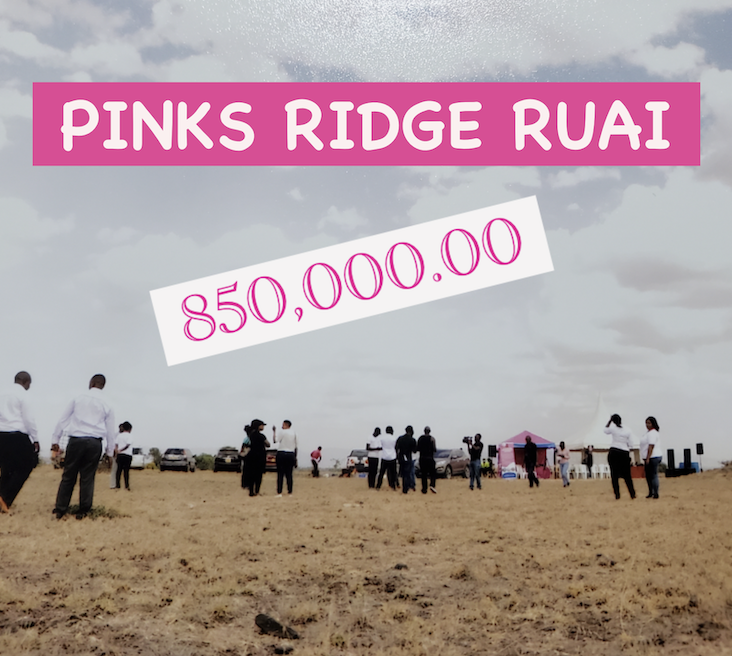
Owning a second home or vacation property in Kenya has become an appealing option for many individuals and families. Buyers are often motivated by the desire for a personal retreat, a place to escape the bustle of city life and enjoy the country’s natural beauty. Others see it as a smart investment opportunity, with the potential for rental income and long-term value appreciation. Additionally, having a vacation property can offer a sense of stability and a base for family gatherings or future retirement. The combination of lifestyle benefits and financial incentives makes this an attractive choice for a growing number of people. The Kenyan real estate market has experienced significant growth in recent years, particularly in the sector of vacation properties. Coastal regions such as Diani, Malindi, and Watamu are especially popular, attracting both local and international buyers seeking holiday homes. Urban centers like Nairobi, Kisumu and Kajiado also see increased interest, driven by improved infrastructure and lifestyle amenities. Current trends include a rising demand for gated communities, eco-friendly developments, and flexible payment plans, reflecting evolving buyer preferences. These factors combine to make Kenya an appealing destination for real estate investment and leisure property ownership

PINK HOUSE MANAGEMENT LIMITED
When considering financing a second home in Kenya, several eligibility requirements come into play. Lenders typically assess your residency status, with many institutions requiring applicants to be Kenyan citizens or permanent residents, though some may accommodate non-residents under specific conditions. Income verification is essential, as banks will request proof of stable earnings to ensure you can manage additional mortgage payments. Your credit history is also carefully reviewed to evaluate your reliability in repaying debts. Meeting these criteria increases your chances of securing favorable financing terms for your second property.
When considering a second home purchase, traditional mortgage options are often available through local banks and credit unions. These lenders typically offer fixed or adjustable interest rates, which can vary depending on market conditions and your credit profile. Down payment requirements for second homes are usually higher than for primary residences, often ranging from 10 to 20 percent. Loan terms commonly span 15 to 30 years, providing flexibility in repayment schedules. It’s important to compare offers from different institutions to find the most favorable rates and terms for your financial situation.

PINK HOUSE MANAGEMENT LIMITED
Alternative financing methods offer buyers more options beyond traditional mortgages. Personal loans can provide quick access to funds, but often come with higher interest rates and shorter repayment periods. Developer financing allows buyers to pay directly to the property developer, sometimes with more flexible terms, though it may lack the regulatory protections of banks. Cooperative societies, or credit unions, can offer lower rates and community-based support, but may have limited loan amounts and stricter membership requirements. Each option presents unique benefits and potential risks, making it important for buyers to carefully assess their financial situation before choosing the best fit.

For foreign buyers and Kenyans living abroad, purchasing property in Kenya involves several important considerations. Cross-border financing can be complex, as it often requires navigating international banking regulations and securing approval from both local and foreign financial institutions. Currency exchange rates also play a significant role, potentially impacting the final cost of the investment. Additionally, buyers must be aware of legal requirements, such as property ownership restrictions and documentation needed for non-residents. Understanding these factors can help ensure a smoother and more secure property acquisition process.

PINK HOUSE MANAGEMENT LIMITED
In Kenya, property ownership is governed by a well-defined legal and regulatory framework. Title deeds serve as the primary proof of ownership, making it essential to verify their authenticity before any transaction. Land registration is managed by the Ministry of Lands, and all changes in ownership must be officially recorded to ensure legal recognition. Conducting thorough due diligence, such as confirming the seller’s identity and checking for any encumbrances or disputes, helps prevent common pitfalls. By following these steps, buyers and investors can protect their interests and ensure a smooth property acquisition process.
Owning a second home comes with several financial responsibilities beyond the initial purchase. Property taxes can vary significantly depending on the location and value of the home, and they often represent a substantial annual expense. Maintenance fees, which include routine repairs, landscaping, and potential homeowners association dues, are essential to keep the property in good condition. Additionally, insurance for a second home is typically more expensive than for a primary residence, especially if the property is in a high-risk area. These ongoing costs should be carefully considered when evaluating the true affordability of a second home.

PINK HOUSE MANAGEMENT LIMITED
To maximize the value of your investment property, consider exploring rental opportunities that align with local market demand. Effective property management is essential, as it helps maintain the condition of your asset and ensures steady income through reliable tenants. Regular maintenance and timely upgrades can also enhance the property’s appeal and long-term value. When planning for resale, research market trends and choose the optimal time to list your property. Strategic improvements and professional staging can further increase your chances of achieving a higher return on investment.
In summary, financing and owning a second home or vacation property in Kenya involves careful planning and informed decision-making. Key steps include evaluating your financial readiness, exploring various mortgage options, and understanding legal requirements specific to property ownership in Kenya. It’s essential to conduct thorough due diligence on the property and work with reputable professionals throughout the process. By following these best practices, you can ensure a smooth transaction and enjoy the benefits of your investment with confidence.