
Kenya’s real estate sector is witnessing a notable interest in green and smart home technologies as they become increasingly integrated into new developments and brownfield redevelopments as well. This trend is driven by a rising demand from consumers who value sustainability and technological innovation in their living spaces. Environmentally conscious buyers seek homes that minimize their ecological footprint, while tech-savvy individuals prioritize convenience and enhanced security through interconnected devices. As a result, developers are responding with projects that blend energy efficiency, resource conservation, and smart systems to meet these evolving expectations. The convergence of these approaches is shaping the future of housing in Kenya, offering solutions that cater to both environmental and lifestyle needs.
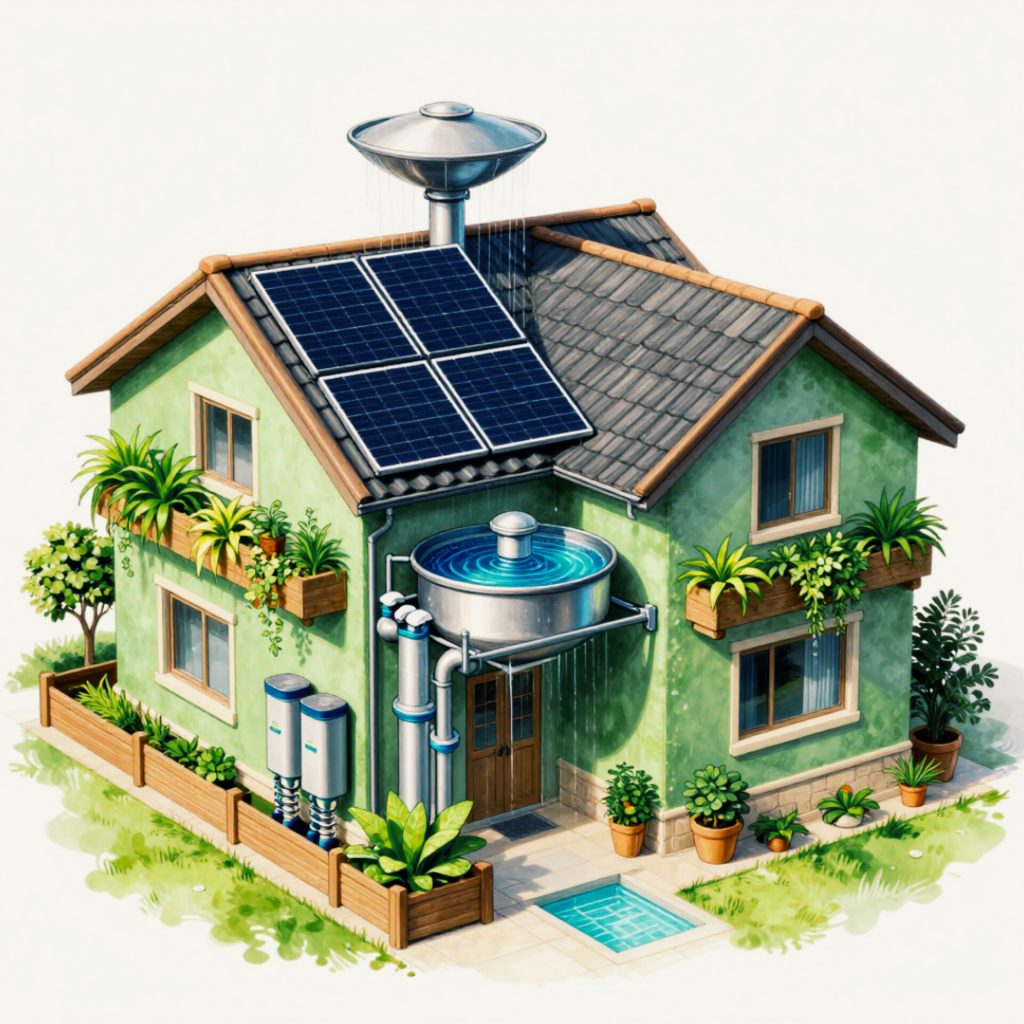
Green homes in Kenya are designed with sustainability at their core, prioritizing energy efficiency and resource conservation. These homes incorporate features such as solar water heaters, efficient wastewater treatment systems, rainwater harvesting systems and green roofs to minimize negative environmental impact. A notable example include the Two Rivers Development, which reduces the water demand by 33%. Such a project demonstrates the practical benefits of green homes, including lower utility costs and improved air quality, while supporting Kenya’s shift toward more environmentally conscious living.
Green home adoption in Kenya faces several notable challenges. One of the primary obstacles is the higher initial construction costs compared to traditional homes, which can deter both developers and potential homeowners. Additionally, limited public awareness about the long-term benefits of green buildings means fewer people actively seek out these options. The absence of binding regulations for green building practices further complicates matters, resulting in inconsistent implementation across the sector. Together, these factors slow the widespread adoption of environmentally sustainable housing in the country.
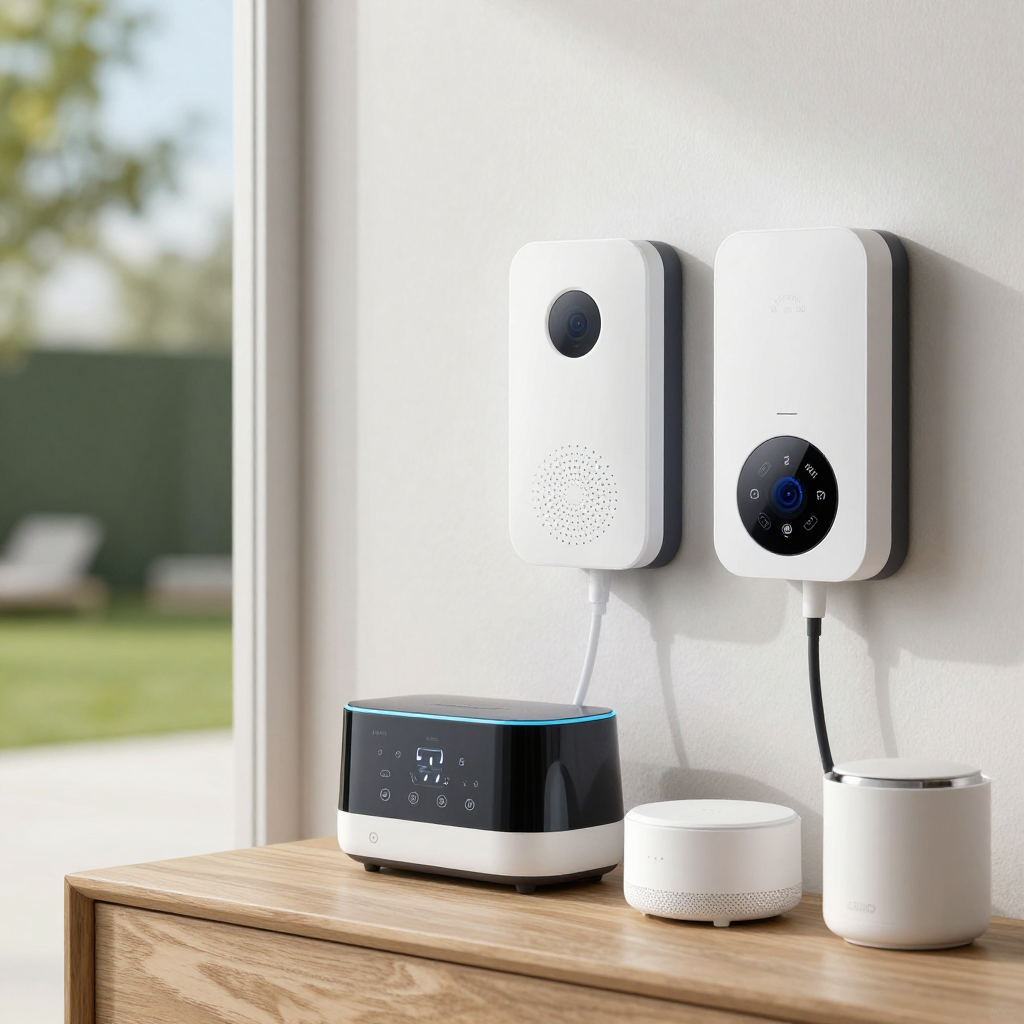
Smart homes in Kenya are transforming the way people live by integrating interconnected devices that streamline daily tasks, bolster security, and optimize energy use. These systems allow homeowners to remotely control lighting, appliances, and security features, offering greater convenience and peace of mind. Enhanced energy efficiency is achieved through automated controls that reduce unnecessary consumption, contributing to lower utility costs. The smart home market in Kenya is poised for rapid growth, with projections indicating an increase from 2.8% of households in 2025 to nearly 5.8% by 2029. As technology becomes more accessible, smart homes are expected to play an increasingly important role in the country’s residential landscape.
Smart home adoption in Kenya faces several significant barriers. High upfront costs make these technologies inaccessible to many households, especially in regions where affordability is a major concern. Infrastructure limitations, such as inconsistent electricity supply and unreliable internet connectivity, further hinder the effective use of smart home systems. Additionally, the shortage of skilled technicians for installation and maintenance poses challenges for homeowners seeking to upgrade. These factors collectively slow the widespread integration of smart home solutions across the country.

A comparative analysis of green and smart homes in Kenya reveals distinct advantages and challenges for each approach. Green homes typically require a higher initial investment, about three to five percent more than conventional buildings, but offer significant long-term savings through reduced utility bills and increased rental returns. Market demand for green homes is rising, with many Kenyan buyers willing to pay a premium for sustainable features. Smart homes, on the other hand, provide enhanced convenience and security but face obstacles such as high upfront costs and infrastructure limitations, including inconsistent electricity and internet access. The regulatory environment also plays a role, as Kenya has guidelines for green building practices but lacks binding regulations, leading to inconsistent implementation, while smart home adoption is not yet supported by specific policies or incentives.
In Kenya, both green and smart homes offer distinct benefits, but green homes stand out for their cost savings and sustainability. By reducing utility expenses and minimizing environmental impact, green homes align closely with the needs of Kenyan homeowners seeking affordable and eco-friendly living. Smart homes provide enhanced convenience and security, yet their widespread adoption is limited by infrastructure challenges and higher costs. A hybrid approach, combining green and smart technologies, could deliver a balanced solution, leveraging the strengths of each to meet diverse demands. Ultimately, green homes currently offer greater suitability for the Kenyan market, while hybrid solutions represent a promising future direction.